Junior Achievement, in collaboration with AMCHAM officially launched in Malaysia

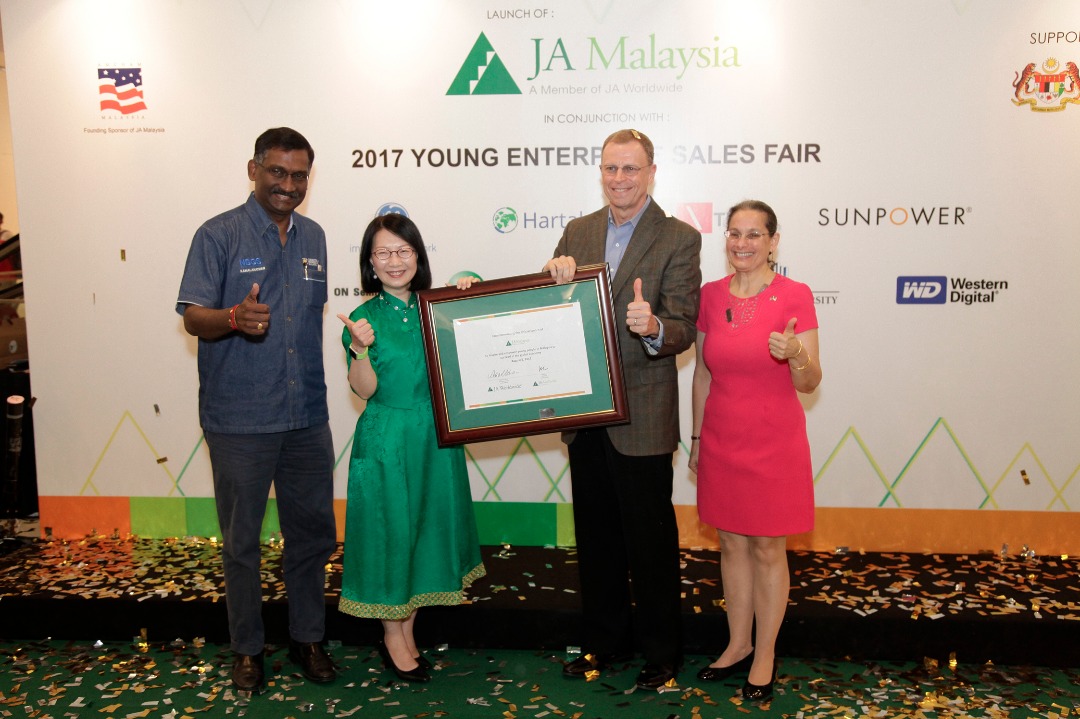
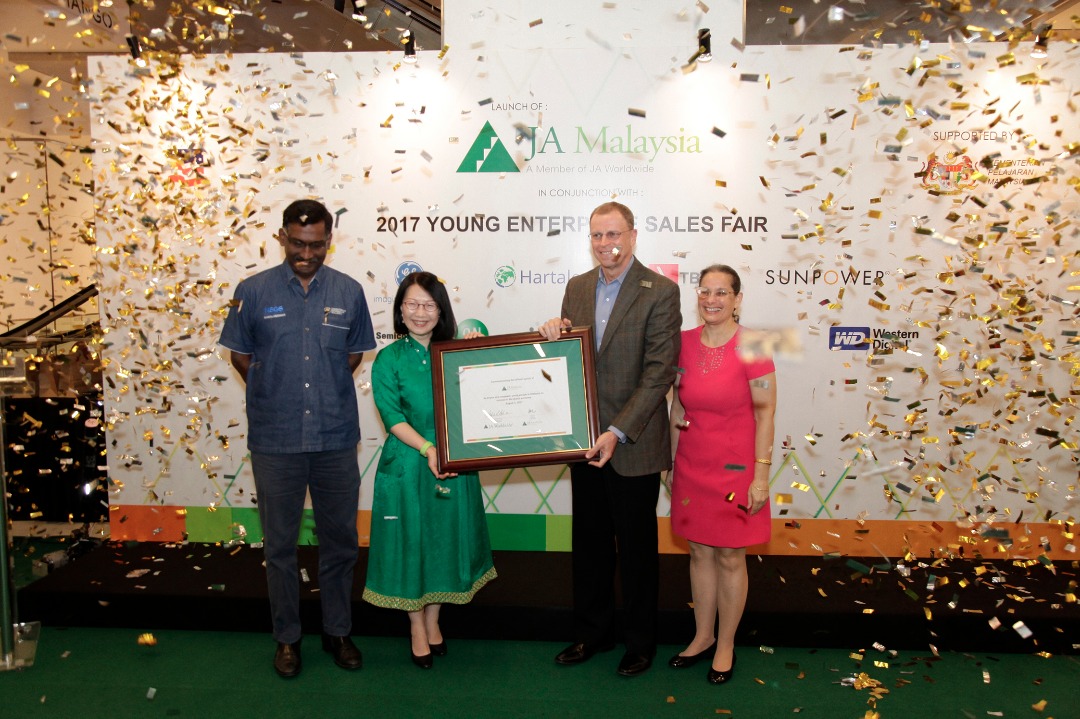
KUALA LUMPUR: United States based NGO Junior Achievement (JA) was officially launched in Malaysia today. The organisation aims to help young people to come together to form business teams and sell those products and be successful. JA Malaysia Chairman Stuart Dean said the co-curriculum programs has benefitted close to 10,000 students since 2008. The program was established in 2008, through a collaboration with the American Malaysian Chamber of Commerce (AMCHAM).
“This launch was a significant step forward in our commitment to provide Malaysian students with a better understanding of business knowledge.
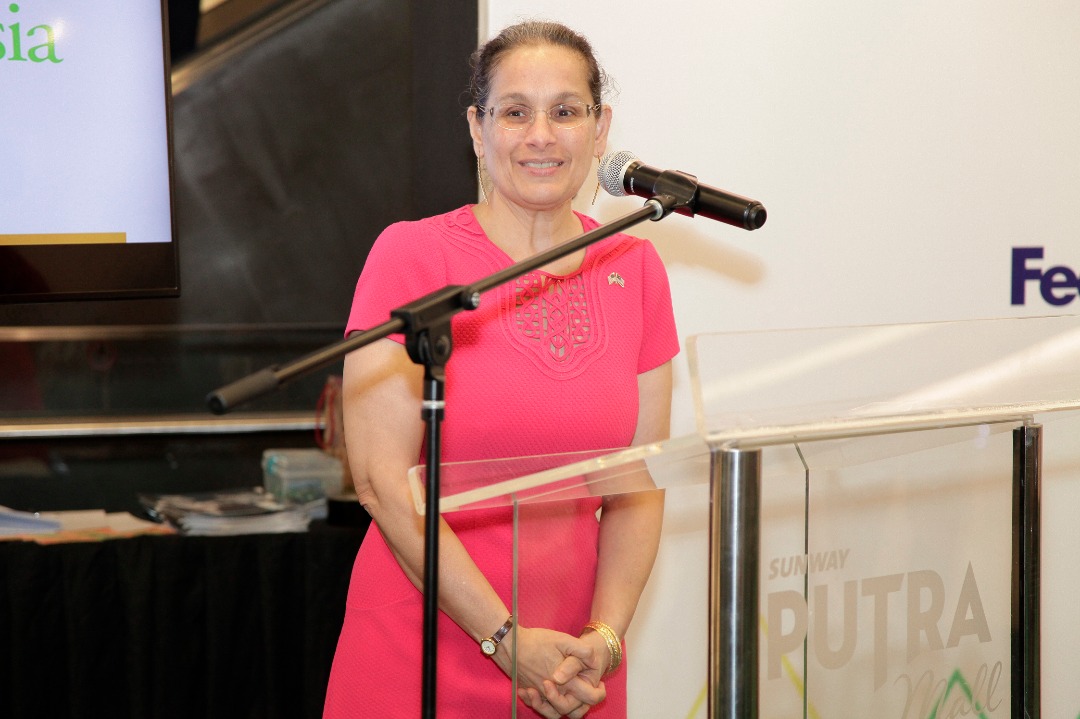
“While exposing them to skills that will enhance their employability and career success,” Dean said during the launching ceremony of JA Malaysia held at Sunway Putra Mall here.
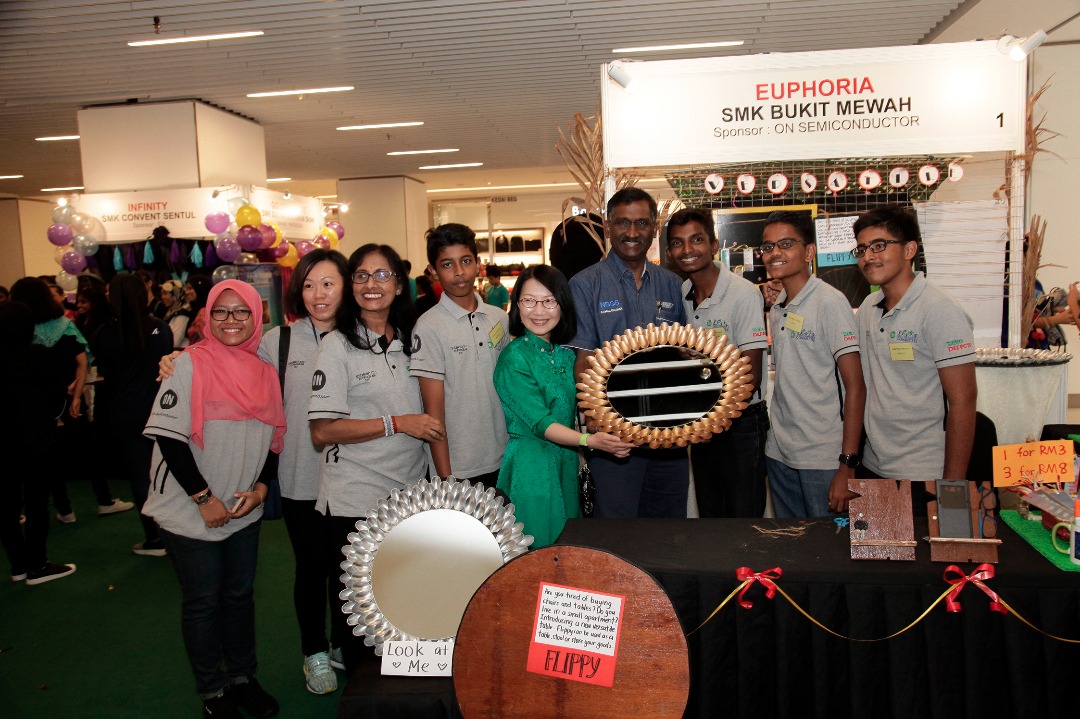
The event was officiated by Deputy Education Minister 1 Datuk P. Kamalananthan and United States Ambassador to Malaysia Kamala Shirin Lakhdir. The organisation aims to reach 22,000 students this year. JA was established in 1919 in Massachusetts, United States where it focuses on young people to enhance their financial literacy, work readiness and entrepreneurship. The launch was in conjunction with the Central Region Young Enterprise Annual Sales Fair, which had more than 300 students from 11 schools showcasing their products. Participations of the program comprised of schools from four states namely Wilayah Persekutuan, Selangor, Negri Sembilan and Malacca.
http://www.thesundaily.my/news/2017/08/05/junior-achievement-officially-launched-malaysia